
The National Alliance on Mental Illness first began in 1979 as a small group of families who gathered together to discuss mental health. Since then, the association has become a leading voice in advocating for and spreading awareness of mental illness. In 1990, Congress established the first full week of October as Mental Illness Awareness Week in recognition of NAMI’s many efforts. Organizations across the country have used this week to educate their communities on mental illness.

In recognition of the week, the AHA wanted to share some of NAMI’s resources to promote Mental Illness Awareness Week. 
#MIAW

Although 20 percent of Americans live with a mental health condition, mental illness is still stigmatized. But speaking out can help reduce any vilifying beliefs.   

20% Americans live with a mental health disorder

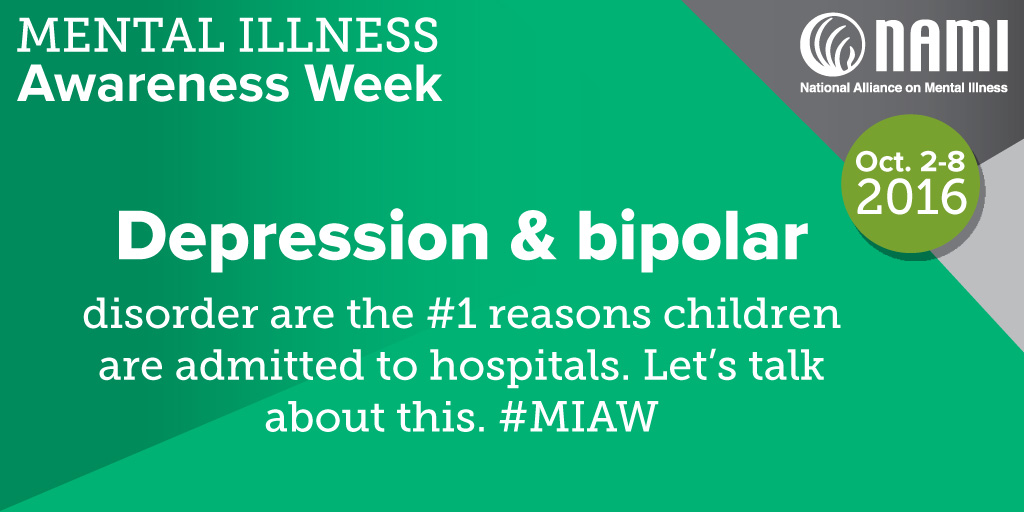
Depression and bipolar disorder are the No. 1 reason children are admitted to hospitals


Mental Illness Awareness Week isn’t just about bringing attention to mental illness, but also to the care that is available. For a list of resources, visit http://www.nami.org/Find-Support/NAMI-HelpLine

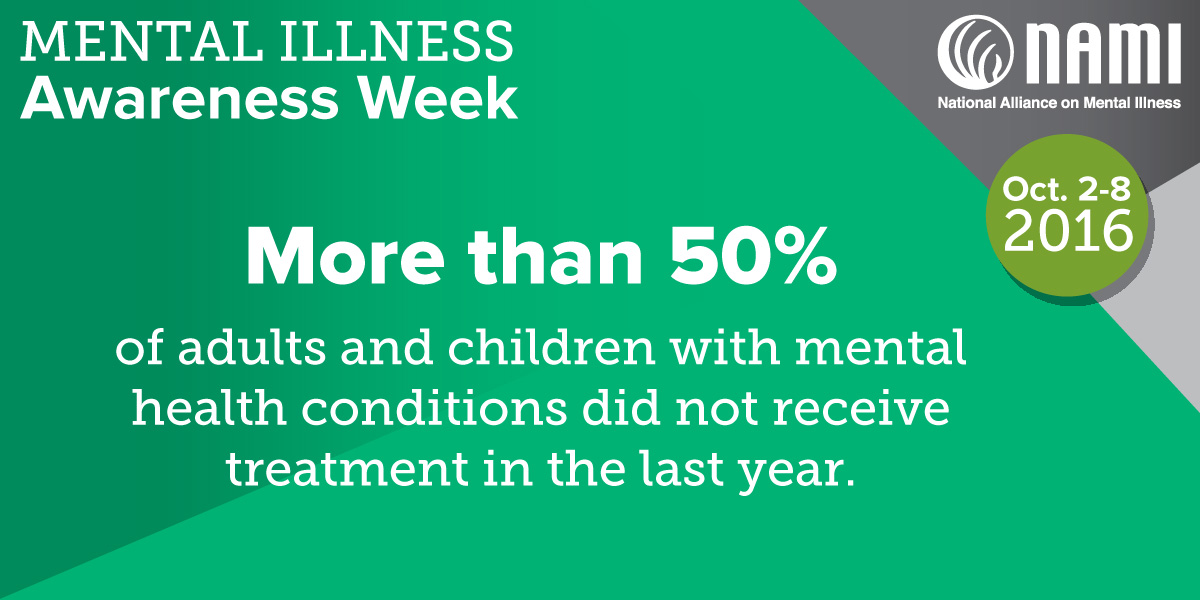
More than 50 percent of adults and children with mental health disorders did not receive treatment last year

Related News Articles

Headline
John Pastor, president of Fairview Pharmacy Services and chief operating officer of Fairview Pharmacy Solutions, shares how M Health Fairview’s expansive…
Headline
U.S. and international agencies Dec. 3 released guidance on integrating artificial intelligence into operational technology. The guidance is intended to…
Headline
A critical, unauthenticated remote code execution vulnerability known as React2Shell has been added to the Cybersecurity and Infrastructure Security Agency’s…
Chairperson's File
Public
When I began my year as AHA Board Chair, my goal was for us to be all in. In a year that was full of many tests — OBBBA, executive orders and an ongoing,…
Headline
The Food and Drug Administration announced Dec. 5 that it will launch the Technology-Enabled Meaningful Patient Outcomes for Digital Health Devices Pilot, or…
Headline
A study published Dec. 3 by the New England Journal of Medicine found that one dose of the HPV vaccine could be as effective as two in preventing cervical…