


Post-acute Care Advocacy Alliance
What is Post-Acute Care
Post-acute care is a growing and essential health and social service, accounting for more $2.7 trillion spent on personal health care, and, of that, almost 15% of total Medicare spending.
The AHA's nearly 5,000 member hospitals, health systems and other health organizations includes 3,300 post-acute care providers, including free-standing post-acute hospitals and post-acute units. Post-acute care settings include long-term care hospitals (LTCHs), inpatient rehabilitation facilities (IRFs), skilled nursing facilities (SNFs) and home health agencies. AHA supports enhanced coordination between general acute-care hospitals and post-acute providers to improve overall quality of care and reduce total health spending.
The AHA meets the unique needs of post-acute care providers through
- Representation and advocacy
- Participation in public policy development
- Communication, education, and management strategies including specialized education and networking opportunities
- Collaborating with national organizations to lay the foundation for aligned positions on behalf of post-acute care providers across the continuum of care.
Featured Resources
2026 Post-acute Care Advocacy Agenda
The AHA has released its 2026 Post-acute Care Advocacy Agenda outlining federal policy priorities to protect patient access to post-acute care and support providers across the continuum. The agenda highlights efforts to strengthen accountability for commercial insurers, including oversight of prior authorization and network adequacy, ensure fair and sustainable Medicare reimbursement, reduce unnecessary administrative burden, and support the post-acute care workforce. The AHA will continue working with Congress and the administration to advance policies that support high-quality, timely post-acute care for patients nationwide.
Organizations, including AHA, release reforms to strengthen LTCHs
A group of hospital stakeholders, including the AHA, the Federation of American Hospitals, the National Association of Long Term Hospitals and the Coalition of Long-Term Acute-Care Hospitals, today announced the release of Long-term Acute Care Hospital Reform Policy Principles. The principles were designed to guide and inform Congress on ways to better support LTCHs and patients. The principles address current challenges and offer solutions to strengthen LTCH care delivery. They include ensuring access for certain high-acuity beneficiaries by expanding payment criteria, improving the accuracy of the LTCH prospective payment system, making a potential change to the 25-day average length of stay requirement, restructuring the LTCH outlier system, expanding rural access to LTCHs, and reining in harmful Medicare Advantage practices.
For Members
Post-Acute Care Settings

Skilled Nursing Facility
Skilled nursing facilities are a vital part of the care continuum focusing on patients requiring nursing and therapy services following a three-day.

Long-Term Care
Long-term care hospitals (LTCHs) furnish extended medical and rehabilitative care to individuals with clinically complex problems.

Inpatient Rehabilitation
In a broad sense, rehabilitation services are measures taken to promote optimum attainable levels of physical, cognitive, emotional, health.
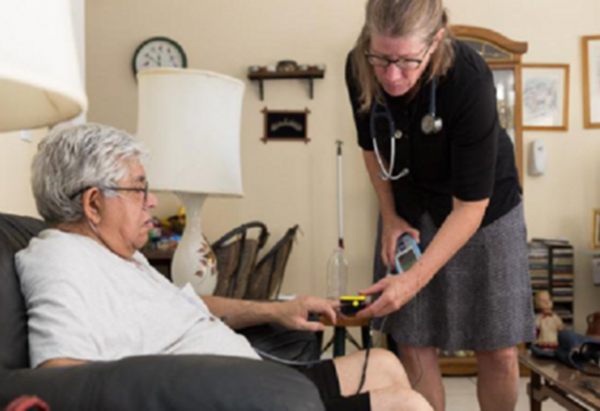
Home Health
The Balanced Budget Act of 1997, as amended by the Omnibus Consolidated and Emergency Supplemental Appropriations Act (OCESAA).
Post-Acute Care Resources
-
- Letter to the editor: Knocking Down Barriers to Long-Term Hospital Care (3/3/2026)
- Letter: AHA Comments on CMS Inpatient Rehabilitation Facility FY 2026 Proposed Payment Rule (6/10/2025)
- AHA Statement: AHA Statement to House Ways and Means Subcommittee on After the Hospital: Ensuring Access to Quality Post-Acute Care (3/11/2025)
- Fact Sheet: Viable Unified Post-acute Care Payment Model Not Possible Under Current Approach (1/28/2022)